Showing posts with label research. Show all posts

Monday, June 25, 2012

This Mommy's Life with Epilepsy: My Teen Years


Do you ever have those moments where things are just too perfect? Absolutely nothing is wrong or hard in your life. I hate those moments. When things are too perfect - I know something big is about to change. Something hard is just around the corner. Those perfect moments are God's way of giving you a break and letting you recharge your spiritual batteries before the trials begin again.


Well, that something hard has spurred me into a series of posts about my life with epilepsy. It's something I've been wanting to share in hopes that it will help just one person. When I was getting diagnosed - so many times throughout my experience I would google my condition and nothing would pop up. No personal experiences. Just medical definitions. So I'm hoping my own personal experience will come in handy to someone someday.

I have what is now diagnosed as Complex Partial Seizures. Let's start this story from the very beginning....

During junior high something strange started happening. At the most random times and in the most inconvenient places (usually school) I would hallucinate. Sometimes I would hear voices. Sometimes I would see things in the air in front of me. Along with these hallucinations came this out of body feeling. Dizzy, floating, as if I was completely detached from my body. A loss of total control. My brain would wander in a strange and dizzying way wherever it wanted and I couldn't stop it no matter how hard I concentrated. 
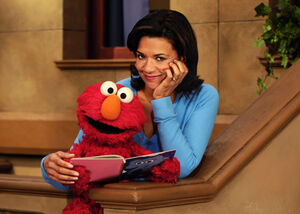
The most common reoccurring theme in my episodes at this age was Maria from Sesame Street counting in Spanish...as I heard her voice in my head I would usually see the numbers flying in front of me in the air...now it's laughable, then it was terrifying. 

When these "head spells" were done, I usually couldn't recall what part of the lecture I had missed in class or what my friend had been saying. But everyone around me was oblivious since everything was in my head and my body showed no visible changes. After each episode I would get massive headaches and feel very nauseous. I was thirteen and embarrassed. I kept it quiet at school. But at home - I let my mom know right away.

My mom was (is) amazing. She believed me instantly and took everything my 13 year old self said as truth. Seriously, I don't know if I would believe my daughter if she came and told me she could hear Maria in her head.

And so the doctors visits began. We went to a number of different primary care physicians explaining the episodes to them and we always got the same answer..."I don't know." Now that I'm older I wonder if some of them talked to my mom privately and told her it was probably just a ploy from a teenager to get attention. No tests were run. No blood work done. Nothing. No one really believed me besides my mom. Shame on you doctors.

So I found a coping method that helped sometimes. At the beginning of my head spells came a profound heavy sense of de javu - like my body and mind were swimming in memories. Sometimes if I could snap my brain out of this feeling I could stop the rest of the episode from occurring. If I changed what I was doing, where I was, etc as quickly as possible when this happened I could regain my sense of control and normalcy and my brain wouldn't spiral down into the black abyss of hallucinations.
Since they mostly happened at school I would quickly ask for the hall pass to use the restroom and get out of my desk. I rarely went to the restroom, I would end up in the halls, wandering, trying to focus on reality. If I found something to read it would sometimes help, so I usually headed to posters, etc and started reading. I would even step outside sometimes for fresh air.

These "head spells" as we called them continued through high school. My brilliant mom had me keeping track of everything when they happened. Trying to help me find a pattern. I would write down the date, time, where I was, who I was with, what I was doing, and how I felt before, during, and after for every single episode. That log came in handy later - like I said, my mom was brilliant!

The head spells changed as I grew. I no longer heard Maria counting, and the frequency and intensity came in clusters. Sometimes I would go a few months without anything - other times I would have 3-4 episodes in one day.

Still no doctors believed me and I led a normal life telling very few people about what was going on, since I didn't really know what was going on myself.

*A small note about the doctors we saw. My family was very poor and doctors visits were very expensive. In hindsight I don't think I was ever taken to a specialist like I should've been. If I was and had been diagnosed sooner my condition now would be far better, and maybe even gone. So if your child is experiencing something take them to a neurologist now! The sooner treatment begins the more likely your child will grow out of a seizure disorder. If you have seizures past the age of 23 your less likely to grow out of them because brain development has stopped. I'll get to the research aspect in a future post...

Thursday, March 22, 2012

Slightly Indoctrinated

At least that's what my husband would say. I've been on this healthy food kick for a couple of weeks now and changing lots of things. This second documentary, Forks Over Knives, I loved!! It doesn't use scare tactics, it uses hard scientific research studies to back up healthy eating. I highly recommend it! My husband watched it and loved it as well! So ha! He's indoctrinated too.

And ever since he watched it we've both been regularly eating huge salads for lunch together, more fruits and veggies and nothing processed. We feel great!

The documentary follows one scientist and one doctor on their research journeys that they started decades ago. It pretty much proves without a doubt that the Word of Wisdom (don't know what that is? Follow the link!) is completely inspired. A whole foods plant based diet is the best thing for you! They do cut out all meat and dairy...Ry and I just can't be that extreme. Not yet.

The coolest thing about the documentary is that by eating a whole foods plant based diet people are reversing their health problems!! Not just halting, reversing!

So this is what we're doing - limited dairy. I love my milk and cheese. So I try to only have one small dairy serving a day. Lots of fresh fruits and veggies. Avoid processed foods all together. And meat. Well, we've decided small healthy cuts of meat twice a week is good for us. And no overeating!

Sounds extreme I know - but watch the show! It is amazing! And on netflix. =) So now begins my hunt for some vegetarian recipes for the other 5 days of the week.

Another thing we do is try to find the healthiest version of whatever it is we want to eat. On Saturday we wanted waffles - so we searched for a healthy recipe...then changed some things to fit our needs.

This is what we came up with and it was delicious! We will definitely be making them again!

Oatmeal Wheat Waffles
(adapted from allrecipes.com)

1 cup white flour
1/2 cup wheat flour
3/4 cup rolled oats
1/4 cups milled flaxseed
1 Tbsp baking powder
1/2 tsp cinnamon
1/4 tsp salt
2 eggs, slightly beaten
1 1/2 cups milk
4 Tbsp butter, melted
2 Tbsp brown sugar

In large mixing bowl, stir together flour, oats, flaxseed, baking powder, cinnamon and salt; set aside. In small mixing bowl, stir together eggs, milk, butter and brown sugar. Add to flour mixture; stir until blended. Pour batter on to grids of preheated, lightly greased waffle iron (amount will vary with size of waffle iron). Close lid quickly; do not open during baking. Use fork to remove baked waffle. Top with fresh fruit and yogurt. 


Super yummy!! And you can feel good serving it to your family!

Friday, March 2, 2012

Not a Hippie


I'd like to preface this post with this statement...I am not a hippie. I don't go barefoot, I don't protest big companies with picket signs, I love free market and capitalism, I hate big government...not a hippie. Just a conservative republican. Having said that...

I succumbed and watched Food, Inc. I hate shows that use scare tactics but I was interested. And really, it was on Netflix so...I don't know if I'll ever eat meat again. Ever. Okay - maybe if we raise and butcher it ourselves (and by ourselves, I mean my husband).

Yikes to the food industry! There are so many things I want to change about the way we eat. I was already headed in that direction - but this definitely propelled me forward. More fresh fruits and veggies. Less processed foods.

In the last few months we've made some changes - homemade bread, homemade yogurt (recipes to come), and our chickens started laying eggs! So yay for not having to buy expensive eggs anymore! Everything in California is so expensive - so lots of these changes were spurred by the desire to save money. We've also been canning lots - salsa, applesauce, pears, chicken.

And our garden plots are nearly ready to be planted in. We have 4 plots - 16x4 feet each - super excited to fill them up with veggies! My husband also just planted our seventh fruit tree. We have 3 apple, 2 pears, 1 nectarine, and 1 peach. So excited to reap the rewards of that hard work in the next couple of years!

Other changes headed our way...I really want to incorporate LOTS more veggies and fruit into our diets and minimize the meat. We are not vegetarians - I love a good hamburger. But we don't need meat as often as we eat it right now. I want to find other sources of protein and eat more "pure" foods, less processed. Have any good recipes to pass on? Please share!

Does it make anyone else mad that it costs more to eat healthy than to eat junk food? Maddening! Watch Food Inc if you haven't - it's very enlightening.

Monday, August 8, 2011

Hot Topic: Homeschooling

Okay...there's more to this post than homeschooling. And I want input! So please comment! I've been carefully considering, and reconsidering all of the educational possibilities once Little Miss is "of age" - which is a couple years off, but I want to make a decision by then, so....

Here are the options...public school, private school, charter school, home-school...or just leave her to her own devices and see how far she gets in life on play-doh and dollies...pretty sure she could make a career out of that. =)

I've been researching and I think it's pretty safe to say that for us, private school is off the list. Kind of pricey and not a lot of good options where we live. So - public, charter, or home...

Here is my list of pros and cons - please feel free to add to it or argue it, especially if you've had experience in one of the scenarios yourself - or with your kids.

Public
  • Pros
    • social interaction
    • super easy for me
  • Cons
    • influence of dumb kids
    • exposure at a young age to things I wouldn't want my kids exposed to
    • the pace of learning can only go as fast as the other 25+ kids, for Little Miss this would be a problem - she'd get way bored
Charter
  • Pros
    • student paced learning
    • social interaction + home more often
    • tighter values & expectations for students
  • Cons
    • higher expense
Home
  • Pros
    • I would get to be WAY involved in the curriculum
    • My innocent babies wouldn't be exposed to anything I didn't deam appropriate
    • Nice and cheap!
    • Peace of mind
    • My weird obsession with school supplies would be useful...I know I don't need new pencils and notebooks every August - but I just can't help myself!
  • Cons
    • Less social interaction
    • I wouldn't be able to teach them everything...like how to play the tuba - just saying. I don't know how...
    • I might go crazy never getting a break from my little darlings
    • The fear of completely failing & not being able to keep up
    • Housework and all hobbies might go out the window - would I end up feeling like I lost myself?
So my dear readers...what are your thoughts and feelings on the options? Your experience? I might end up getting some guest posts from differing views on this one...I need help!

Friday, January 28, 2011

Induction or No Induction?

Today I am getting induced - guess this little guy just didn't want to come on his own. With Little Miss my water broke - which was awesome! Unexpected, no waiting to time contractions - just go to the hospital and have a baby after your water breaks. Wish that would be the case every time!

So I've never been induced before. I'm not really nervous or scared - just anxious. Super excited to see this little guy's cute little face!

Have you had to be induced? Was your experience positive or negative? Go ahead - lay it on me. I won't read your comments until after baby comes - so don't be worried about scaring me. =) I'm probably at the hospital right now anyway.

Next week sometime I'll post my experience with induction - all the gory details you probably don't care to know. =)

There are many reasons to be induced...
  • Post-term (42+ weeks)
  • High blood pressure
  • Health problems
  • Infection in the uterus
  • Placenta abruption
For me - I have health problems, epilepsy to be exact. Having epilepsy during pregnancy offers two great benefits - tons of ultrasounds (I've had about 8) - so I get to see my cute baby more! And my doctor won't let me go past 38 weeks - and for that I am grateful! I can't imagine being pregnant for 40...ugh.

So how does one get induced?
  • Ripening or dilating the cervix through medications or devices (does the idea of *devices* scare anyone else?! Sounds horrible!)
  • Stripping the Membranes
  • Rupturing the Amniotic Sac
  • Oxytocin to cause contractions
TMI Warning: My cervix does not need help - as of Monday I was already 3 1/2 cm dilated and 80% effaced...so that's not the problem.

Stripping the membranes - had that done Monday morning. And no, it wasn't painful at all! I didn't even know he'd done it, I thought he forgot and I had to ask. The only time it is painful is when your cervix isn't dilated. It did cause some contractions - but didn't jump start labor as hoped...bummer.

So, I'm guessing my water will have to be broken and they'll give me drugs to start contractions. I'll let you know how it goes. And of course - I'll post pictures of the Little Man when he gets here! Can't wait!

{Natural ways to induce...yep, I've gotten so impatient - I've just about tried them all! I figured it couldn't hurt. Pineapple, spicy foods, pressure points, among others *wink-wink, nudge-nudge*...yep. None of them worked. At least not for me}

Wednesday, January 19, 2011

Delayed Postpartum Depression

I recently talked with a friend who shared her story with me, here's a quick summary

Eight months after her son (child number 2) was born she started breastfeeding him less as he started eating more solids and she found herself in a slump. She was embarrassed, ambivalent, and had all the signs of postpartum. She set up a doctors appointment and her doctor confirmed what she didn't think was possible - she was experiencing postpartum depression...8 months after giving birth. Crazy!

Her doctor said it can happen up to 18 months after giving birth. I've done a little more research and am finding a lot of scholarly articles that say it can manifest itself up to two years after having your baby.

I had not idea! I thought if I made it through the first couple months I was fine - just something to think about. Have any of you experienced delayed postpartum depression?

I wish there was more information out there about it - I really couldn't find a lot. Here are a couple of links to research article summaries...
The last article found that...


"Among participants, 11.5% reported prenatal onset, 22.0% late postpartum onset, and 66.5% early postpartum symptom onset. Those reporting pregnancy onset were more likely to be unmarried, and those with a late postpartum onset were less likely to report a past history of postpartum depression."

That's almost 25% of cases being late or delayed onset...who knew!?

Postpartum is more common than we realize - and if you do experience symptoms, don't be embarrassed! Just talk to you doctor and get the help you need to enjoy your time with your new bundle of joy.

Thursday, November 11, 2010

Gestational Diabetes & The Dreaded Orange Drink

I had my glucose screening (usually happens around week 28) the other week and once again, got to taste this yummy orange thing...blah! Sugar overload. Not a fan.

So what is gestational diabetes anyway? And what does it mean to my pregnancy?

If you're diagnosed with gestational diabetes it doesn't mean you had diabetes before getting pregnant - and it doesn't mean you'll have it after you give birth. But, it does mean you're more likely to get Type 2 Diabetes sometime in your life if you're not careful. Think of it as a great early warning sign! Most people don't get that luxury.

G.D. (Gestational Diabetes) only affects 4% of pregnancies. It is usually caused by the hormones that help the baby develop via the placenta - these hormones sometimes block the woman's ability to produce enough insulin, thus resulting in unused glucose (glucose turned to energy) and built up sugar in the blood stream (hyperglycemia).

Why is this a problem? Check this diagram out...

...yah. I don't want to give birth to a huge baby. That sounds really un-fun. Besides causing your baby to gain unnecessary weight - G.D. can also cause your baby to have breathing problems at birth, and possible damage to the shoulders while exiting.

Babies whose bodies are making excess insulin in utero are also more likely to get Type 2 Diabetes as adults and are at a higher risk of being obese.

One thing to remember - G.D. is not your fault, it just happens. But there are things we can do when diagnosed...
  • Follow a healthy meal plan
  • Avoid excess sugar
  • Daily exercise while pregnant
As always - I'm not a doctor, so please talk to your doctor to get actual medical advice if you are diagnosed.

Have you had Gestational Diabetes? How did it effect your pregnancy?

{info from diabetes.org}

Tuesday, November 9, 2010

Baby Signs: Early Childhood Education, Acquiring Sign Language


One of the keys to surviving in a tilted economic system in which opportunities to achieve a decent standard of living will be limited is versatility – and the ability to communicate articulately in a variety of ways with the widest possible audience. This includes bilingual ability as well as the ability to communicate in non-verbal ways for the benefit of the disabled – primarily the deaf.

At the same time, a growing shortage of qualified interpreters fluent in American Sign Language has led to more career opportunities – and if current trends continue, it's likely that skilled ASL interpreters will have little problem securing lucrative employment in a society where such a commodity is destined to be in short supply.

Signing Before They Can Speak

A great deal of research has clearly demonstrated that the early years – ages 2 to five – are the best time to educate children in different modes of communication and language. This goes beyond the spoken word (though it is an optimal time for children to learn a second language); many young children have an aptitude for signing as well.

This is not as odd as you may think. As you know, many indigenous peoples around the world, including American Indian nations, have used sign language for centuries to facilitate communication with other tribes with whom they do not share a language. Some paleontologists and anthropologists theorize that Neanderthals – who apparently lacked the vocal mechanism to produce many spoken words – depended a great deal upon hand gestures to communicate.

In fact, recent research suggests that sign language is innate. An article published in the Boulder Daily Camera in 2003 presented strong evidence that babies as young as six months old communicate with their hands:

"...by 6 to 7 months, babies can remember a sign. At eight months, children
can begin to imitate gestures and sign single words. By 24 months, children
can sign compound words and full sentences. They say sign language reduces
frustration in young children by giving them a means to express themselves
before they know how to talk." (Glarion, 2003)

The author also cites a study funded by the National Institute of Child Health and Human Development demonstrating that young children who are taught sign language at an early age actually develop better verbal skills as they get older. The ability to sign has also helped parents in communicating with autistic children; one parent reports that "using sign language allowed her to communicate with her [autistic] son and minimized his frustration...[he now] has an advanced vocabulary and excels in math, spelling and music" (Glarion, 2003).

The Best Time To Start

Not only does early childhood education in signing give pre-verbal youngsters a way to communicate, it can also strengthen the parent-child bond – in addition to giving children a solid foundation for learning a skill that will serve them well in the future. The evidence suggests that the best time to start learning ASL is before a child can even walk – and the implications for facilitating the parent-child relationship are amazing.
________________________________________________________________

Co-written by Emily Patterson and Kathleen Thomas
Emily and Kathleen are Communications Coordinators for the network of Texas child care facilities belonging to the AdvancED® accredited family of Primrose child care schools. Primrose Schools are located in 16 states throughout the U.S. and are dedicated to delivering progressive, early childhood, Balanced Learning® curriculum throughout their preschools.

Wednesday, November 3, 2010

Baby Signs: My Experience


We started teaching Little Miss a few baby signs when she was very little. It was a few months before she started imitating them back and using them appropriately. By the time she was about 6 months old she could sign "more", "milk", and "please". Although we taught her other signs for fun - these 3 basic signs were the only ones I was really adamant about.

Instead of crying as a means of communication - "more" gave her another way to let us know what she needed, same with "milk". And as for "please"...it's never to young to start teaching manners! =)

Insisting that she sign "please" before certain things was also a means of her learning patience and appropriate behavior.

I wouldn't just give her what she wanted to get her to stop throwing a fit - I waited. And soon she learned that when she was nice and signed please, she would get what she wanted. Not when she threw a fit.

Teaching her the latter at an early age has really been helping us get through these terrible two's because (with a lot of consistency) we've already established what's okay behavior and what's not in our home.

Another thing that she loved when she was little - me singing the ABC's accompanied by the signs for the letters. This really got her attention, just like any hand-game song. I would also sing The Three Little Indians song with the number signs, among others. Combining music and signs was very stimulating and really helped her language development.

Have you taught your child any signs? Which ones did you find most beneficial and why?

Stay tuned for the next post in this series. It's a guest blogger and it's chucked full of awesome research on sign language and language development!

*I actually really think the following video is kind of annoying - but it shows all 3 signs I mentioned above. We didn't use a video to teach Little Miss, just us doing the sign and lots of repitition...

Wednesday, October 27, 2010

Folic Acid: A Key to Healthy Babies

I read the following post the other day and just had to pass it on. I am a firm believer in the importance of folic acid for a developing fetus. I have a seizure disorder, so I'm on meds that cause nueral tube defects (spina bifida, etc), and I take 5x the normal dose everyday just to combat the possible defects to my babies. And I will continue to take 5x the normal dose throughout my child bearing years.


Thanks to folic acid and a prenatal vitamin my Little Miss is perfectly healthy. She was born with a dimple at the top of her bum, almost went to the bone. The doc even ordered an MRI in the first 24 hours of her life to make sure it wasn't anything bad. Luckily it wasn't. And with baby #2 - everything is looking good so far. So...moral of the story - meds, or not, take your folic acid ladies! Not convinced? Read on....
_______________________________________________________________

When I saw this headline on the cover of yesterday's paper, I was a little surprised, I mean research proved this in the 1980's. The problem is that health care officials and educators assume that people know this and they stop harping on the matter, but every year a new group of women enter their child bearing years and need to hear this information.

And even though I have gotten on this soapbox before, I am going to share a few important facts about folic acid and urge moms everywhere to share this with their friends and with their daughters.
  • Folic acid occurs naturally in foods like fruits and vegetables, but our bodies absorb it best in it's synthetic form. To get your daily RDA of folic acid from your diet you would have to eat 200 red apples.
  • Insufficient folic acid can lead to birth defects (or defects that result in miscarriage) including defects of the brain, skull, spine, heart, arms, legs, face, hard palate (cleft lip and/or palate) and urinary tract. A mother can reduce the risk of her child having these defects by 50-70% by taking 400 micrograms of folic acid a day.
  • The most crucial time for you to be getting folic acid is in the first 28 days of pregnancy. Most women don't even know that they're pregnant in the first 28 days.
  • Hence why, EVERY woman in her child bearing years should take a folic acid supplement.
  • Folic acid is used to create and repair DNA (necessary for cell production), which is why it is so vital during early pregnancy. The first 28 days are when your little bundle of joy goes from 2 microscopic cells to a something with a heart beat. Isn't that just phenomenal to think about?
  • Folic acid is crucial not just for the growing baby, but mom too. During pregnancy folic acid demands increase because it is needed to produce the new cells that are making up the increased blood volume, and general increased everything that comes with pregnancy.
  • According to a March of Dimes survey in 2009, only 11% of women took folic acid before pregnancy.
  • Apparently there is a myth going around that multi-vitamins will make you fat. This is false. However, if your multi-vitamin has iron in it and you're not drinking enough water, it can make you constipated which can lead to bloating and discomfort. Stay well hydrated and you should be fine.
  • Since 1998 the U.S. Food and Drug Administration mandated that folic acid be added to white flour, bread and pasta, which has resulted in about 1000 fewer children born with neural tube defects each year.
  • Many Hispanic women have genetic deficiency that interferes with the metabolism of folic acid. Which means that they should be taking even more folic acid.
  • The average life-time cost of spina bifida per person in the United States is $532,000.
  • Currently the Center for Disease Control and Prevention, the March of Dimes, and the Spina Bifida Association along with corn and flour tortilla manufacturers are working with the FDA to supplement corn tortillas, a staple for many Hispanic diets. It is estimated to cost $3 million per year, but will save $145 million in direct medical costs for defects.
_______________________________________________________________

Heather is a full-time mom and Pediatric Registered Nurse. She writes about things that make her a better wife and mother, or give her more time and money to spend on her family.

Hopefully these things will help you out too! Find more of her posts at Secrets of a Mom.

Friday, July 23, 2010

Ear Infections: The 411


I have this friend, Kim - you know the kind...The women with more energy and ambition in their one pinky toe than you'll ever have in your entire body. Well, that's Kim! She's currently a PA (Physicians Assistant) student and is now going to be guest posting on The Mom Blog every now and then with amazing medical/health information. I really appreciate all of the information she crams into her posts - I hope you do too! If you have any specific questions please leave them in the comments section...she just might be able to help you out!
_________________________________________________________________

EAR INFECTIONS - I.E. OTITIS MEDIA (AOM) IS THE #1 DIAGNOSIS FOR SICK CHILDREN BETWEEN AGES OF 6 MO'S - 3 YEARS OLD!!!

by the age of 1, 60-80% of kids will have had at least 1 episode of AOM; 80-90% BY AGE 2-3 YEARS!!! AND 75% of kids will have RECURRENT AOM!!! (I want to BOLD everything in this post and put tonz of !!!! everywhere)!

AOM is the #1 reason that antibiotics are prescribed to kids.
30% of ALL antibiotic prescriptions are for KIDS.
INFANTS SPEND APPROX 42 DAYS ON ANTIBIOTICS FOR AOM IN THE FIRST YEAR OF LIFE AND 49 DAYS IN THEIR 2ND YEAR OF LIFE!
The annual cost of these antibiotics total $5 billion per year, and of that $5 billion 40% OF IS SPENT ON KIDS 1-3 YEARS OLD!!! AOM has increased markedly from the 70's to the 90's there are many hypotheses as to why this is. The leading explanation is because there are more children in daycare, due to women moving into the workforce vs. staying home.

A big reason why AOM occurs mostly in children and not adults is because the anatomy of their Eustachian tubes (the tubes that connect the ear to the nose for drainage) are immature and their immune response is immature too!

Because the child's tubes are more FLAT vs. the adults which are DOWNWARD SLOPING this causes a decrease in drainage and fluid to get stuck.


Some major Risk factors for getting AOM:
  1. BOTTLE FEEDING WHILE LAYING DOWN, DO NOT PUT THE CHILD TO BED WITH A BOTTLE. The reason is because the E.Tubes function in a Pressure-equalizer-type-role, and when you lay down the pressure in your head changes and can actually suck fluid inside the tube. Also the fluid can travel in that direction more easily because gravity is no longer helping the milk to go into the stomach. Try to always feed with a bottle while at least sitting up, or laying partially (not flat) how about 30-45 degree angle!
  2. RESPIRATORY VIRUSES & BACTERIA this will often occur because of the fluid in the E.Tubes, because V&B love moist environments - the perfect home for infection.
  3. DAYCARE- increases exposure to virus's and bacteria, at a younger and more vulnerable age vs. home care. Often daycare cannot be eliminated, but try and look for smaller daycare's with less children vs. large classes.
  4. PACIFIER USE (unsure exactly why, probably has to do with the eustachian tube location)
  5. FAMILY HISTORY
  6. THE SEASON (i.e. winter...)
  7. MALES are more likely to get it than females
  8. SMOKING

BREASTFEEDING IS PROTECTIVE AGAINST AOM! This is partially because mother's milk has inherent antibodies that she provides to the child for their immunity while their immunity is still developing.

Look for my installment #2 next week on Ear Infections with some really interesting new research regarding how ear infections are linked to skin irritation and asthma! And what you can do to try and stop the Ear infection BEFORE it even begins.

Wednesday, June 16, 2010

Summertime Safety: Bug Spray & Sunblock for Sensitive Skin

This isn't your typical - "you should use this" post. My Little Miss has hypersensitive skin and breaks out with most chemical base products we've applied to her skin. Even the more sensitive 'baby' versions of sunblock leave her with a rash. So this summer I'm getting creative...so whether your child has sensitive skin, you want to save money, or just go green - this post is for you...

First. Mosquito Repellent...

I really hate putting all the chemicals on Little Miss's skin. We go camping a lot - so I have to figure something out. When she was a baby and put everything in her mouth it made me extra nervous that she would ingest all those chemicals. Here are some natural alternatives I've found and will be trying...

In Our Yard
  • Marigolds & Thai Lemon Grass are natural bug deterrents - so I'm going to be planting some to have on our porch and close to our door.
  • A bit of sage or rosemary thrown on the coals during a barbeque will keep the bugs at bay, and smell great!
  • 1/2 oz citronella oil, 1/4 oz lavendar oil, 1/8 oz pennyroyal oil, 1/8 oz tea tree oil, 1/8 oz jojoba oil - mix well. Add 16 oz almond oil and blend thoroughly. Add 16 oz vodka, pour into spray bottle and shake before using.
To Use on Skin
  • Mix one part garlic juice with 5 parts water in a small spray bottle. Shake well before using. Spray lightly on exposed body parts for an effective repellent lasting up to 5 - 6 hours. Strips of cotton cloth can also be dipped in this mixture and hung in areas, such as patios, as a localized deterrent.
  • Thai Lemon Grass - break off a stalk, peel off the outer leaves, bend the stem between your fingers, loosening it, then rub vigorously between your palms until it's a juicy, pulpy mess. Then rub this over all exposed skin.
  • 1/2 oz citronella oil, 1/4 oz lavendar oil, 1/8 oz pennyroyal oil, 1/8 oz tea tree oil, 1/8 oz jojoba oil - mix well. Add 16 oz almond oil and blend thoroughly.
  • The CDC reports studies have found that Lemon Eucalyptus works just a good as DEET in repelling mosquito's - I'll definitely be trying this one out.
And Sunscreen...

The only problem I have with the homemade sunscreens is the inability to tell me how much protection it provides against UVA/UVB rays. But you can use the below recipes as a barrier layer of protection for sensitive skin and then put a thin layer of commercial sunblock on top. We'll be trying it and hopefully Little Miss won't break out into a rash...

Homemade Zinc Oxide Sunscreen

Note: This recipe will leave a white nose “lifeguard style.”

1 Tbs zinc oxide
1 1/2 tsp light sesame oil
1 Tbs rosewater

Mix together the zinc oxide and sesame oil. Heat the mixture gently, using a double boiler, and stir well to mix. Remove from heat and slowly add the rosewater, as you continue stirring. Allow to cool completely, and store in a clean container with a tight lid, in the fridge. Yield: 2 oz. Keeps: Up to 10 days in the fridge.


And one more...
  • 5 oz grapeseed oil (feel free to infuse with herbs like Calendula or Plantain)
  • 1 tablespoon shea butter
  • 1/2 oz beeswax
  • 4 0z lavender hydrosol (or any other hydrosol you like)
  • 2 tbls zinc oxide powder
Mix the oil, shea butter and beeswax in a 2 cup pyrex measuring cup, put in a pot partially filled with water (to act as a double boiler), melt over medium-high heat. Add the zinc powder. Allow to cool until a crust starts to form around the edges. Using a hand blender, begin to slowly pour the hydrosol into the oil. Keep mixing until all the hydrosol is fully incorporated and the cream is smooth. Put into a clean, sterilized jar. Store in the refridgerator.

I scoop some into a tin to take on the go, and refill when needed. I can’t give you the spf factor, but I have used it on myself and all my kids (4 of them ranging from 16 months to 10 years) and after a day at the beach, and 2 hour hikes, no one has gotten any burns or redness. I also like to use it as a barrier cream.


There are other sunblock recipes I found - but most of them require 10-12 expensive ingredients...I don't want to go expensive. I just want something to work!

Do you have any good natural ways to get rid of bugs and avoid sun rays?

Monday, June 14, 2010

Circumcision: In Favor of the Snip


Now to balance out the scale. I found some solid research based information backing the decision to get your child circumcised. Here are the basics:

Research Based Benefits:

  • elimination or reduction in physical problems such as phimosis (the inability for the foreskin to retract)
  • decrease in susceptibility to balanitis (inflamation of the foreskin & penis)
  • lower rate of urinary tract infections
  • prevention of problems with erections at puberty
  • decrease in susceptibility to certain sexually transmitted diseases, including HIV
  • in older men, elimation of penile cancer and a decrease in urinary problems and infections
If you want to read up on more, please check out the following links:
Other posts in this series:

Thursday, June 10, 2010

Circumcision: Referrals Against the Snip


I received so many emails after that last post with tons of information! You readers amaze me. So, as promised I am passing on the info...with a small disclaimer.

First, most of the emails I received were from people who are against circumcision. Which leads me to two conclusions...Kind of like the comment cards at a fast food place, you only really fill them out if you have a complaint, you have to feel passionate, and the people who feel most passionate about this topic are the ones against it. Which is fine. Just know that all the info I have to pass on is why not to have it done, so it's very biased.

Or - the people who do have their boys circumcised and are reading this (besides the ones who have commented) really don't know why they did it and don't have a strong opinion.

Second - be smart when looking into any topic, find out where the source is from. Is it just someone's opinion? Or is it an actual scientific study? Any statistics that are presented to you, be wary - if they're not cited, don't state where they got their info, then it's probably not an accurate number. Statistics are a tricky thing. Also, be wary of scare tactics on either side of this argument.

Okay, so that wasn't such a *small* disclaimer. Here are the links...
  • International Coalition for Genital Integrity - "...a wealth of information for expectant parents about circumcision. I recommend watching the videos at this page, especially the one showing an actual infant circumcision and "The Prepuce," which describes the anatomy and functions of the foreskin. All of the articles are excellent." - P.F.

  • An informative tri-fold handout - "My tri-fold hand out, “CIRCUMCISION FACTS”, contains all the facts any one needs to know. It includes footnotes & references to papers, all, except one, of which can be viewed on the internet. Please let me know if it is helpful. It was very well received by nurses and therapists during my 90 day rehab from 2 strokes..." - J.M., director of the National Organization of Circumcision Information Resource Centers

  • Genital Integrity Policy Statement & Non-therapeutic circumcision of male minors "You seem like an intelligent mom who really wants to understand circumcision and genital integrity. I am attaching a PDF file with the Doctors Opposing Circumcision Genital Integrity Policy Statement. This is a 64 page document that will tell you about all there is to know. Our organization strongly supports genital integrity to provide the highest level of health and well-being. I am also attaching a statement from the Royal Dutch Medical Society that was published on May 27, 2010. I can provide more information if you wish it." - G.H., Vice-President for Bioethics and Medical Science, Doctors Opposing Circumcision
Thanks to all of you for sharing your personal experiences in the comments section and passing on info via email. I really appreciate all of the input!

Other posts in this series:

Monday, June 7, 2010

Circumcision: To Snip or Not To Snip


Okay - I am way in over my head here. A reader who's about to have her first little boy asked me to delve into this topic. I thought - sure, no problem! It seems to be pretty cut and dry...how naive was I? First - you know I only have a little girl. Little boys...I just have no idea about stuff like this.

I started doing research and there are so many differing opinions on this topic and to be quite frank - actual scientific research based studies are lacking in this area. It's mostly opinion. So here are the basics of what I found...

If it's not a matter of religion to you, then it's mostly a matter of cleanliness and cosmetics.
  • Some people say it's easier to keep a little boy clean once he is circumcised and that there are fewer cases of urinary tract infections. Other people say it's easier to keep him clean with the foreskin intact.

  • Some people argue - "like father, like son - I don't want my child to be made fun of in the locker room since every other boy is circumcised". Other people argue the current rate of circumcision is only 57% (not sure how accurate this # is), so he won't be made fun of in the locker room.

  • Some say the procedure is easier and less painful in infancy. Others say it's painful and takes away the child's rights.

  • Some say having it done or not having it done increases/decreases sexual functioning and the trasmission of STI's (sexually transmitted infections).
I just don't even know. So...now it's your turn! I need you, the readers, to speak up and teach the rest of us.

Those of you who have little boys circumcised or uncircumcised - what do you know to be true? Why did/didn't you have it done to your son?

Feeling exceptionally passionate about the subject and want to be a guest blogger on the topic - email me at barb.themomblog(at)gmail(dot)com

*Update 6/8/10 - the response to this post has been amazing!! I've received tons of e-mails with info I'll be sharing over the next week or two. Keep it coming!!

Other posts in this series:

Wednesday, June 2, 2010

Summertime Safety: At the Park


Little Miss and I had quite the adventure today at the park. It started out great. Then the sun got hot and the park got overrun with unruly children. But my favorite part - finding out that the sandbox was really a kitty litter box...yikes.

So on our way to wash our hands I found the mom of the little 18 month old who was playing in the sand alone and warned her of the poo I'd just found. When we came back from the restroom the mom was still sitting on the opposite side of the park talking with her friend and her daughter was still happily sifting through the poo box. What!?

About 20 minutes later that same little girl did a face plant on the not-so-friendly ground and was bleeding...I rudely interrupted her mother's important gab session to let her know her daughter was dripping on things as she walked around dazed.

Maybe my park angst goes back to my days as a playground duty - one of the best jobs I ever had. But really. There are just some things I don't think are okay at parks.

Climbing up slides (sorry to my sister Melly and the rest of you who let your kids do this). I just don't think it's cool. My sis-in-law broke her arm doing this, kids chip teeth, I've seen lots of kids get hurt. I especially hate it when kids climb up the tube slides - you can't see who's coming down.

This probably won't bother me as much when Little Miss isn't so little and susceptible to injuries from the big kids...I take that back. It will still bother me.

Second most hated park thing - not watching your children. The park and the other responsible parents are not a good babysitter. You don't have to be right behind them, they need independence - but have an eye on them please. They could be endangering themselves, or other kids, or getting kidnapped (thanks mom for indoctrinating me with worst-case-scenario fear when I was little).

Playing at the park with your children is a great time to teach make-believe, taking turns, patience, and appropriate behavior.

The CDC reports that 200,000 children visit the ER every year due to playground injuries - most of which could've been prevented with supervision...
  • About 45% of playground-related injuries are severe–fractures, internal injuries, concussions, dislocations, and amputations (Tinsworth 2001).
  • About 75% of nonfatal injuries related to playground equipment occur on public playgrounds (Tinsworth 2001). Most occur at schools and daycare centers (Phelan 2001).
  • Between 1990 and 2000, 147 children ages 14 and younger died from playground-related injuries. Of them, 82 (56%) died from strangulation and 31 (20%) died from falls to the playground surface. Most of these deaths (70%) occurred on home playgrounds (Tinsworth 2001).
Little Big Kids - a book (free printable pdf) for kids age 3-5 on playground safety.

How do you keep your kids (and other kids) safe at the park? What is okay? What isn't?

Other posts in this series:

Summertime Safety: Swimming

Thursday, May 27, 2010

Potty Training: Scared to Poop

*Warning: TMI - if you can't handle the reality of mommy-hood and all the gross things that come with it...you might want to skip this first paragraph...

Before I started potty training Little Miss a wise woman told me her experience training her son...he was so reluctant to poop on the potty, he would hold it until he was so constipated he couldn't get anything out. Which led to her scooping out his poo with a spoon...pretty traumatizing for both of them I'm sure. She wished she hadn't previously got upset at him for having accidents.

Once I heard this story I was bound and determined to never get upset at Little Miss if she pooped in her panties during training, or on the floor, or anywhere. We celebrate poop at our house! This is the way I looked at it - she already knew how to poop. She knew what it felt like. All I had to do was guide her to the potty and help her learn that that is where her poop should go and how nice it was to be clean.

Our potty training for poop started when Little Miss was about 2 months old. Every time she was pooping I'd hold her little hands, get our faces close together and grunt with her. Soon she was just grunting on her own to let me know she was pooping at 3 months! This was a tactic my grandmother used to teach her kids. By 6 months she would have them pooping in the potty so she didn't have to scrub out the cloth diapers. Brilliant. We never got that good. But at least I knew when she was pooping!

Teaching her to grunt and let me know when she was pooping was something we kept up and it made potty training a lot easier. She was pooping in the potty pretty consistently (as long as I was paying attention to the signals) from about 14 months on. It was the pee that took us awhile to master.

So that is my pooping experience.

What happens if your little one is scared or embarrased to poop in the potty and just plain refuses?

First - Check your attitude. If you're visibly grossed out, or upset when accidents happen - then don't expect your child to make the jump. You are your child's world. Your child lives to please you. And if pooping gets a negative reaction, they're going to hold or hide it.

Remember too that most children have a issues with pooping in the potty - you're not alone.

So once you are ready to keep a smile on your face as you scrub out poopy underwear and lovingly, but firmly, remind your child that "Oops, it was just an accident. That's okay. Let's try to get your poop in the potty next time where it belongs" - then things will start to change.

Second - Poop is awesome! Make your child believe that! Little Miss knows that poop means her body works and is healthy! She also understands if I tell her she can't have anymore cheese or bananas because it will make the poop hard to get out.

Consider the reasons why your child is having a hard time pooping on the potty...

Constipation - If your child is constipated do not force pooping on the potty until this problem is resolved. Make sure to balance his/her diet - not too much cheese or bananas and make sure there is lots of fiber! Buy the whole grain fish crackers instead of the regular. Buy whole grain bread instead of white. Eat apples with the skins on and make sure veggies are being eaten even if you have to sneak them in.

Embarrassment - Maybe your child is old enough to want privacy. If this is the case have him/her help you make a special pooping tent that goes over the potty. Or if your toilet is positioned right next to the shower curtain - use that. Tell them it's a special pooping curtain that makes them invisible so they can go poop without anyone seeing, but it only works if they sit on the potty.

Fear - Don't push them. Ease them into it. Make pooping be a really cool big girl/boy thing to do. Let them see you poop. Tell them everyone poops - mommy, daddy, grandma, grandpa, uncles, aunts - and they all put their poop in the potty. Flushing poop is the funnest, Little Miss still waves and says "Bye-bye poopy" when she flushes.

If it's the splash that scares your child - try laying some toilet paper in the water first, this will reduce the splash.

Never punish or humiliate. Be kind, loving, and gentle - but firm with reinforcing where the poop belongs. If there are accidents your child is more than likely scared of your reaction. Tell him/her that it's okay and you know they can do it next time! Have your child watch you place the poop from the diaper or panties into the potty and let them flush it away.

If your child is regular then get him/her on the potty for a potty party about the time poop is going to happen. Keep them on there longer with lots of fun games and books. Here are some books that might help the situation...


Thursday, May 20, 2010

Potty Training: Boys

I am not experienced in the boy department - but I've heard from a lot of reliable moms who have been there - boys are harder to potty train! They just are. They're usually quite a bit older, more stubborn, and have more accidents.

This might be due to the fact that for boys it's a two step process - first they learn sitting down, then they have to transition to standing up. Also, moms are usually the primary potty trainer - without dad around all the time to observe, boys take longer. Girls have the advantage of watching someone with the same equipment use the potty.

Some tricks I've heard that motivate the little guys...
  • Aim & shoot some cheerios in the water when learning how to go while standing

  • Place red or blue food coloring in the bowl prior to using it so your little man can watch the water magically change color as he tinkles

  • In the summertime if you're fortunate to have a fenced yard, let him have some naked outside time watering the bushes

  • In the wintertime, let dad teach him how to write in the snow

  • Character underwear of his favorite show is a must

  • Take your little man to the store with you to pick out a really great toy you know he'd love. Let him play with it for half an hour when you get home. Then remove the toy and tell him he can play with it again when he uses the potty like a big boy. After success, let him play with it for half an hour and then remove it again - telling him the same thing. A timer would be appropriate in this situation. He is less likely to get upset if it is the timer, not you, telling him he can't play with the toy anymore.
Pretty much anything to make it super fun will help! Have you successfully potty trained a little boy? Have any tips or tricks to share of what worked and what didn't?
Related Posts with Thumbnails